
A scientific narrative
Agree the evidence and the story the programme needs to communicate.
Creative & Compliant Content
Useful evidence can stay fragmented across teams and channels. AGENCY brings medical writing, evidence and audience understanding into a coordinated communications programme, with the required clinical and regulatory review.
What we build with you
Agree the evidence and the story the programme needs to communicate.
Write for the people using the information and the decisions they face.
Connect the writing, review, publication and commercial handover where appropriate.
A shared evidence discipline
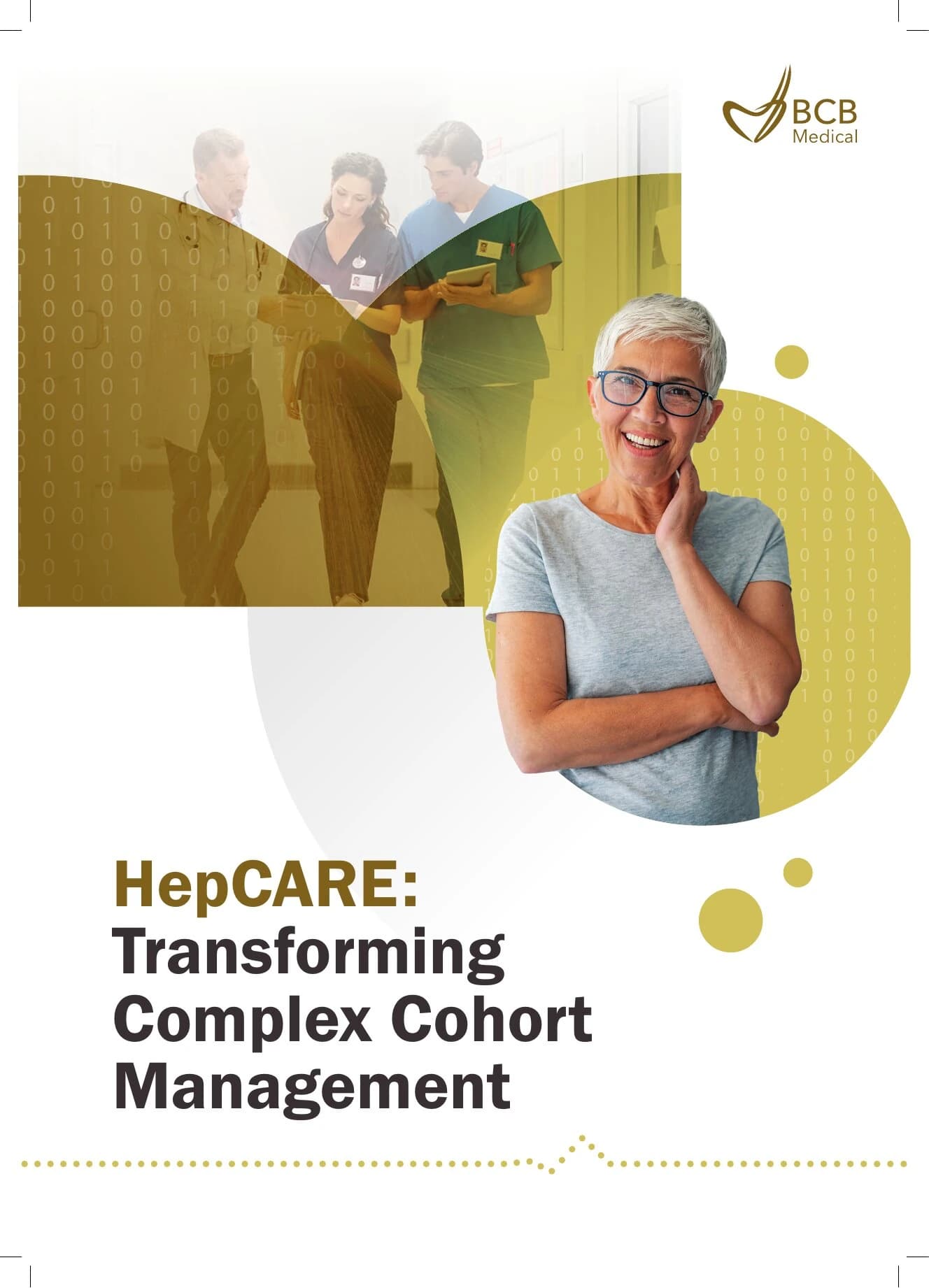
The HepCARE brochure is a genuine healthcare communication example. The blank claims-review spread shows a separate working tool for checking the link between a message and its evidence.
See the healthcare casework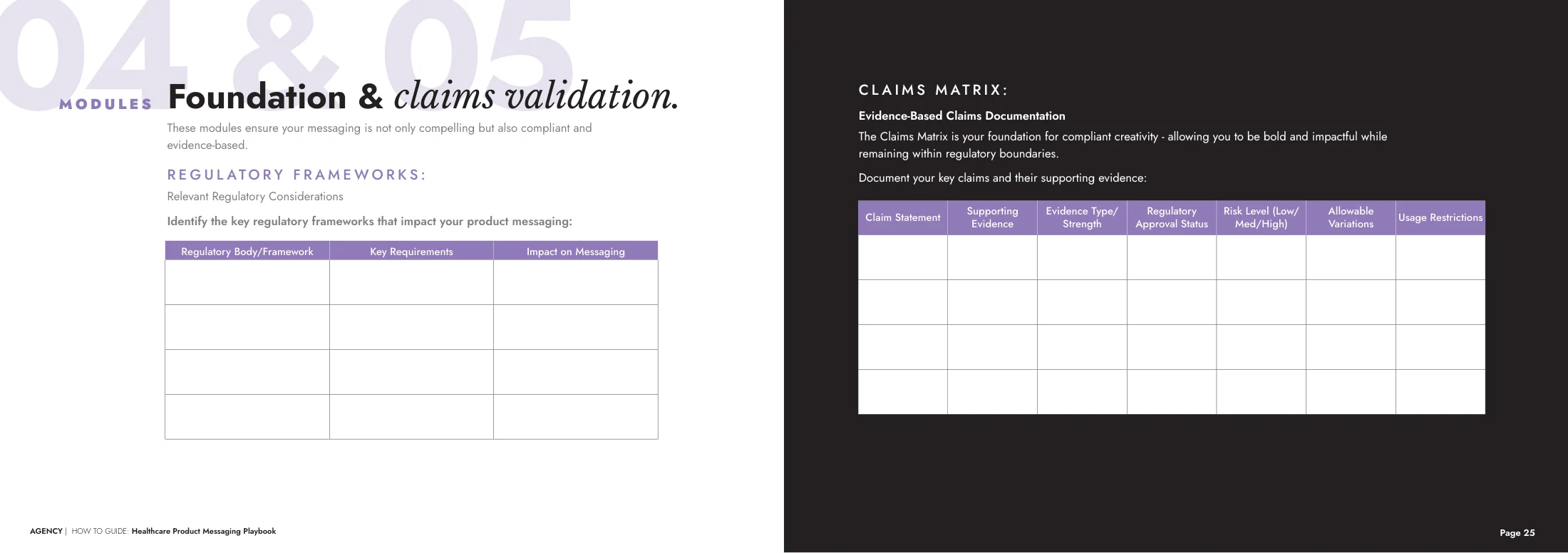
A moving explanation
A mechanism-of-action animation from the existing AGENCY portfolio. Film and animation can give a complex product story a clear visual explanation.
Explore films and animationsBefore we start
No, and we say so deliberately. The traditional med comms model puts publications and KOL programmes in a sealed silo away from commercial. We do the same scientific and clinical work to the same standard, but we build it to integrate with launch, commercial, and demand-generation activity. If you need an isolated publication shop, we're not the right fit. If you need med comms that connects to the rest of your machine, that's where we sit.
The firewall stays intact on every deliverable that requires it (peer-reviewed manuscripts, regulatory-bound communications, scientific platforms). Editorial independence on publications is non-negotiable. The integration happens around the firewall, at the planning and hand-off layer, not inside the publication process itself. We agree the review and approval requirements with your medical and regulatory teams before work begins.
Yes. For pharma and MedTech engagements requiring clinical sign-off, we attach named clinical reviewers to the account. Pre-clears scientific claims, validates evidence, signs off creative before MLR sees it. Materially reduces your in-house medical-affairs burden.
Often. We've taken on the integration and commercial-utility layer for clients who keep their incumbent publication agency in place. The handoff is clean: incumbent owns the manuscript, we own the commercial pack, KOL coordination, and HCP educational re-use.
We work across pain, oncology, hospital-administered specialties, MedTech device categories, diagnostics, digital health, and patient-facing therapies. We do not pretend to specialise in every therapy area. For any engagement we name the medical writer and clinical reviewer with the relevant therapy-area depth upfront, and if we don't have the right specialist we'll say so.
We map KOLs against three axes: clinical authority in the therapy area, geographic relevance to your commercial plan, and engagement track record (have they actually advocated, presented, published?). We review inherited lists against those criteria and agree the engagement priorities with you.
Week 1-6: scientific narrative architecture built with medical and commercial leads. Week 7-10: publication plan agreed, KOL list rationalised, first manuscript and HCP education tracks underway. Week 11-13: first commercial hand-off pack delivered, quarterly KOL pulse established with your sales team. By day 90 you have the narrative, the plan, and the first commercial-utility output flowing.
Scope the work around your situation
Tell us the product, market and question. We agree the scope, outputs and fee before work starts.
Find the right NHS accounts, assess your readiness, explore campaign decisions or read the thinking behind our work.
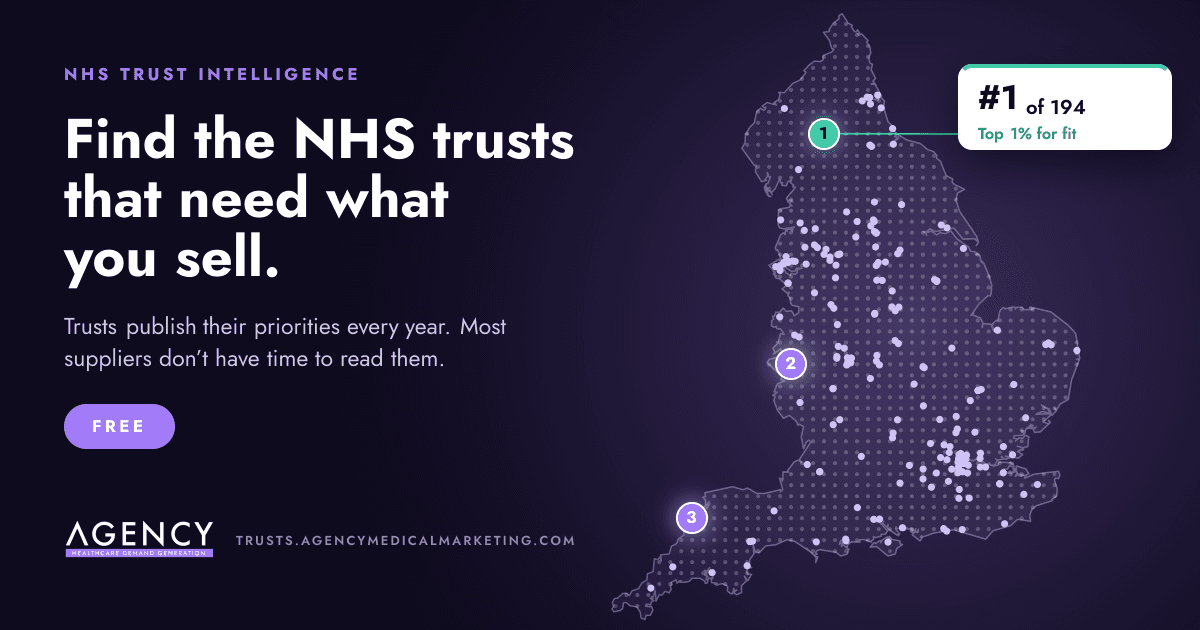
See which NHS trusts fit your product, using their stated priorities and the evidence behind each match.
Explore NHS Trust Intelligence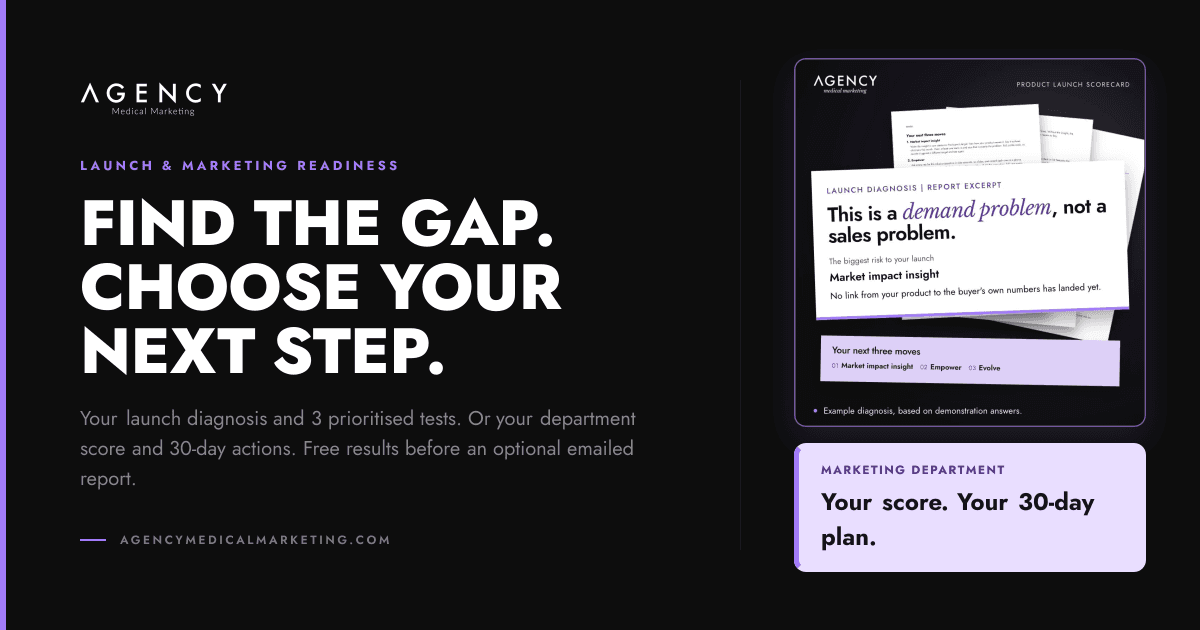
Diagnose a product launch and get three tests to run, or score your marketing department and get 30-day actions. The emailed report is optional.
Find your marketing gaps
Work through the decisions behind a compliant healthcare campaign. See where your approach moves forward or gets stuck.
Play Snake Oil & Ladders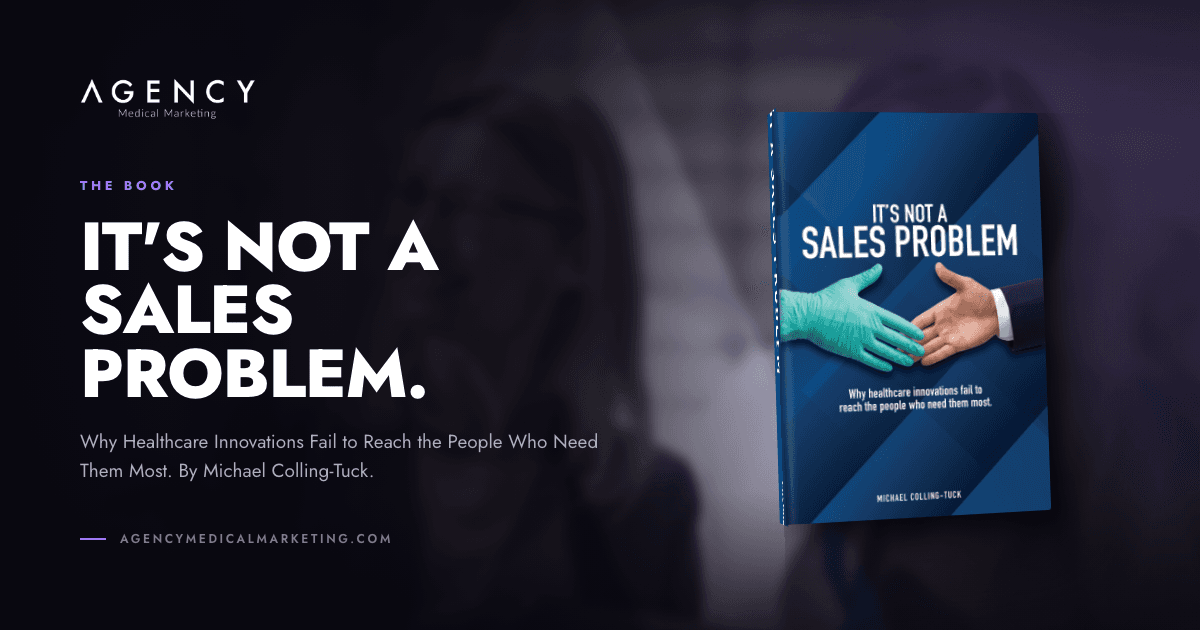
Explore why good healthcare products struggle to reach the people who need them, and how to build demand. Read three free chapters.
Read three free chapters