
NHS account intelligence
NHS Trust Intelligence
See which NHS trusts fit your product, using their stated priorities and the evidence behind each match.
Explore NHS Trust IntelligenceFree · No sign-up · ~10 minutes
Work through the compliant campaign process in 30 squares, from sector research to medical-legal review. Snakes reveal the steps you skipped; ladders reward the groundwork. Play to see where your own process needs attention.
Your results connect the gaps you encounter to practical campaign briefs.
Play the game freePlay now
Roll the dice. Tap any square to read what that step requires and why skipping it creates compliance risk. Your gaps map to a brief at the end.
Question 0
0 / 1,000
Snake. Answer the challenge to dodge it. Wrong answer and you slide.
Ladder. Answer the challenge to climb. Wrong answer and you miss it.
Click any square to read what that step requires.
Square 0 of 30
01
Roll the dice
Move through the 30-square board representing the full compliant campaign process from sector research to launch.
02
Hit a snake
Skip a critical step and a snake sends you back. Each snake shows you exactly what fails and why the process breaks.
03
Use a ladder
Existing market research, competitor analysis, or a brand playbook? Ladders reward prior work with shortcuts forward.
04
Read your gaps
Your results map every snake you hit to the brief that fixes it, and to the training that prevents it next time.
Why this name
The term has been around since the 19th century: remedies that claimed to cure everything, backed by nothing. No evidence. No clinical substantiation. Just persuasive copy and a confidence that the buyer had no way to verify the claim.
Healthcare marketing regulations (the ABPI Code for pharma promotion, the MHRA’s rules, MLR review, the PMCPA) exist because that problem never went away. The products got more sophisticated. The marketing got more professional. But the temptation to outrun the evidence, to write the campaign before the claims are substantiated, to launch before the review is complete, stayed exactly the same.
This game maps the process that keeps you on the right side of that line. Every snake is a shortcut that turns your marketing into snake oil. Every ladder is prior work that lets you move faster without cutting corners. Getting to square 30 the right way is not slower than getting there the wrong way. It just requires knowing which squares matter.
Snake oil (original meaning)
A product marketed with bold claims and no clinical evidence. Effective because the buyer has no way to verify what they are being told. Common from the 1860s to the 1930s. Regulated out of the pharmaceutical market. Not entirely gone from it.
The regulatory response
The ABPI Code (pharma promotion). MHRA guidance (the UK regulator). MLR review (medical-legal sign-off). These exist to create a verified chain from clinical evidence to marketing claim. Every statement in your campaign must trace back to data a regulator could inspect.
The game
Each snake on the board represents a shortcut that breaks the evidence chain. Each ladder represents existing work that strengthens it. Your result at square 30 shows exactly where your process holds and where it does not.
The hall of fame
The pattern of skipped substantiation isn’t a 19th-century problem. The same shortcut, dressed up in modern brand voice, still appears in marketing reviews every week. Each of these would fail the same test as the campaign you’d run today.
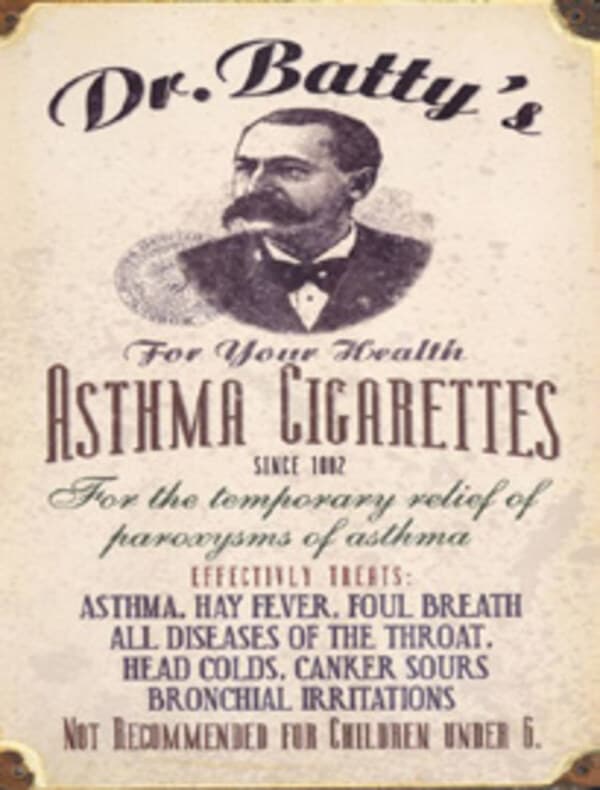
1880s to 1950s
Dr. Batty's Asthma Cigarettes
Physician endorsement for a product that caused the disease it claimed to treat.
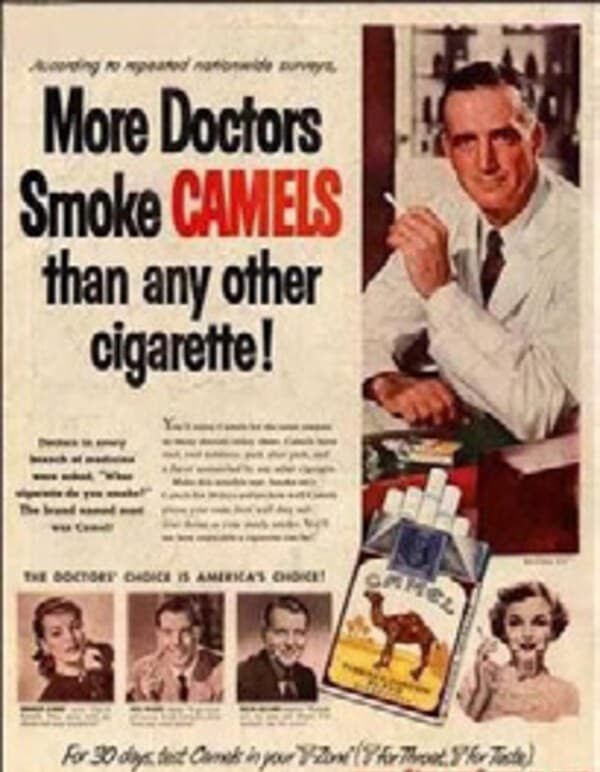
1946
Camels · More Doctors Smoke Camels
Authority claim built on a survey paid for by the brand.
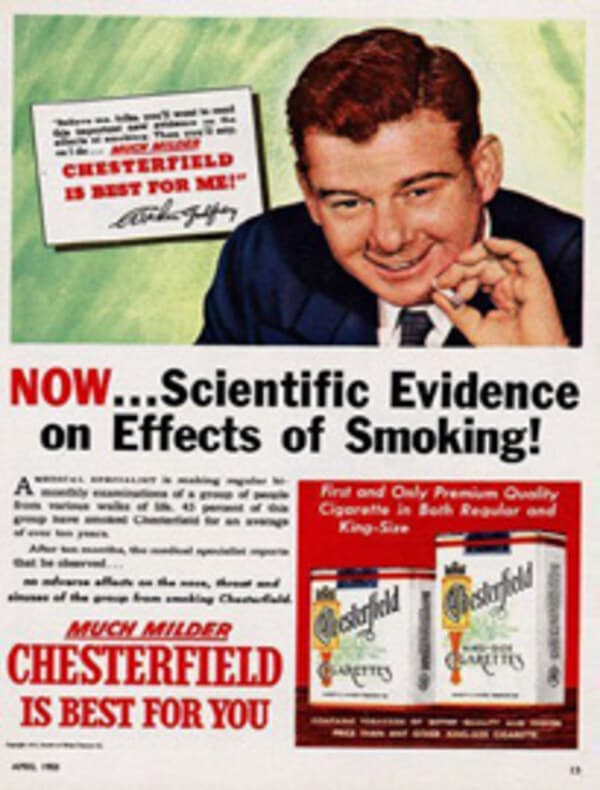
1953
Chesterfield · Scientific Evidence on Smoking
Cherry-picked evidence presented as comprehensive review.
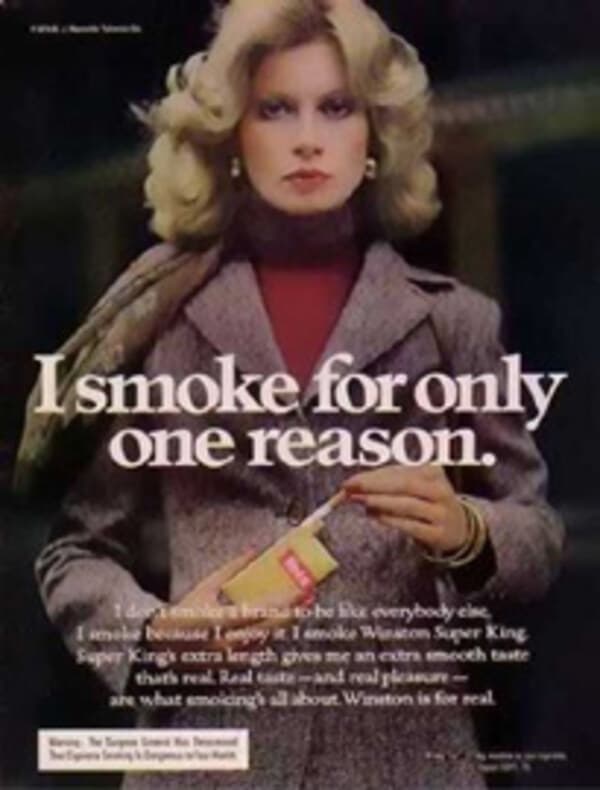
1980s
Winston · I smoke for only one reason
Aspirational lifestyle for a product known to cause harm.
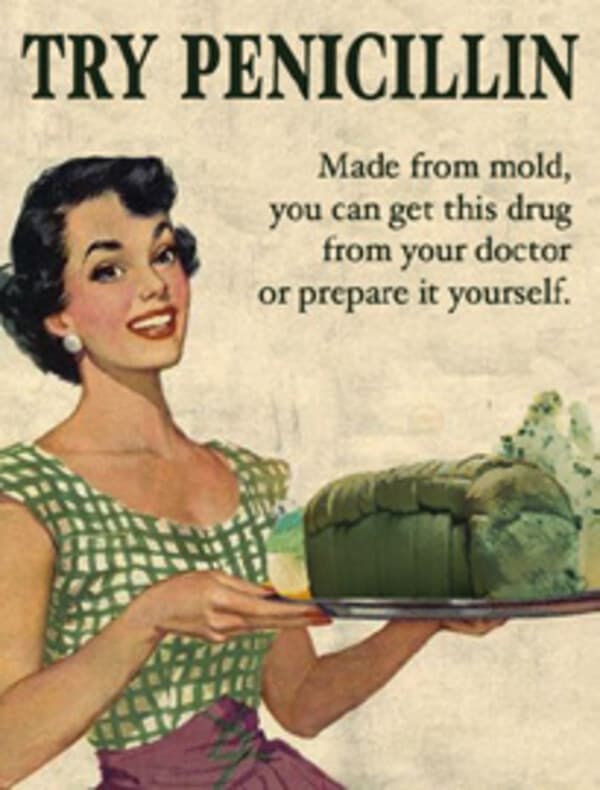
1940s
Try Penicillin · Made from mold
Self-medication promoted for a prescription-only medicine.
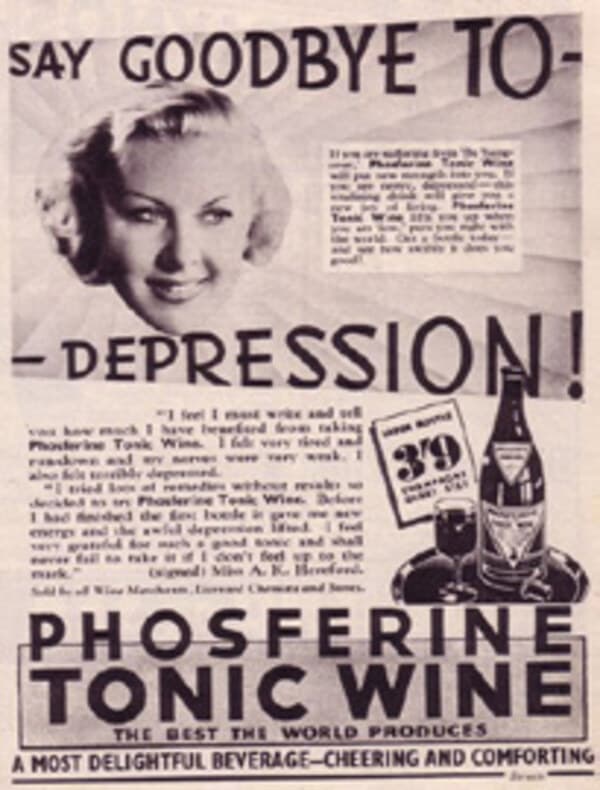
1930s
Phoseferine · Goodbye Depression
Mental-health treatment claim with no clinical basis.
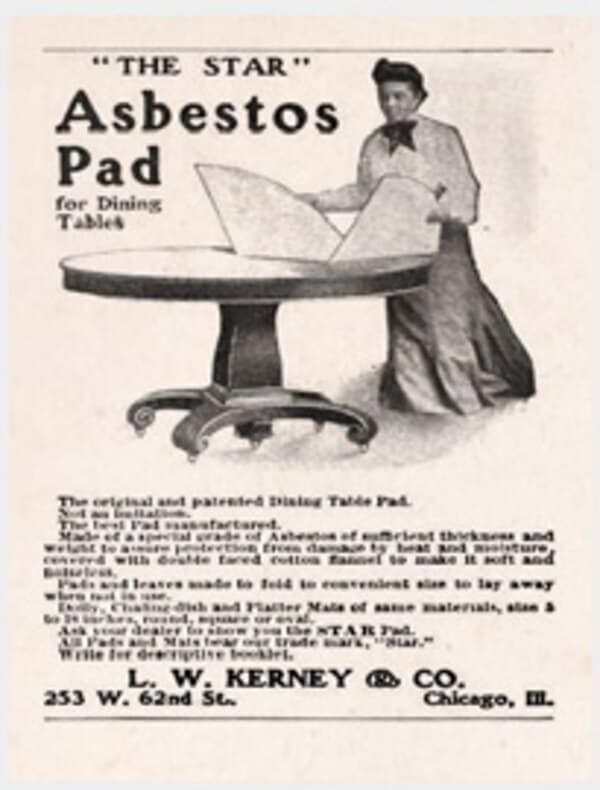
1900s
The Star · Asbestos Pad
'Safe' household product later proven to cause cancer.
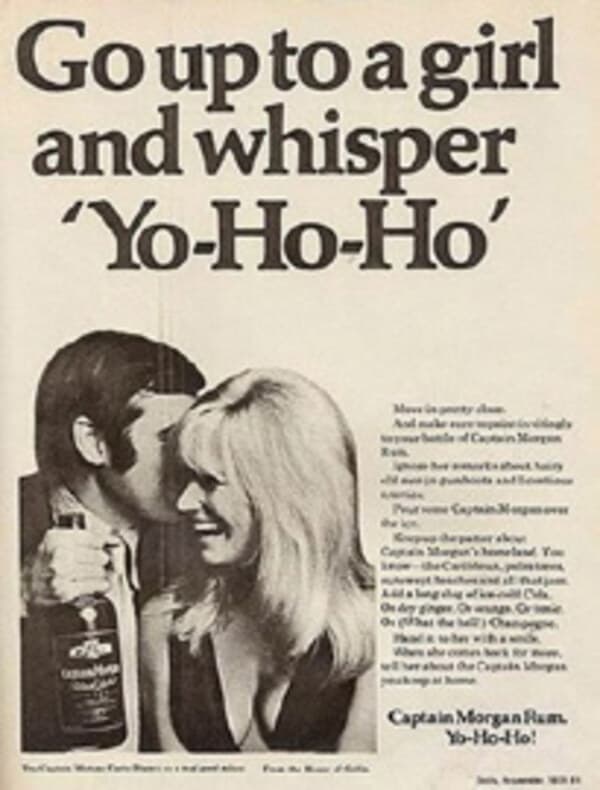
1970s
Captain Morgan · Yo-Ho-Ho
Implied sexual outcome from a consumer product.
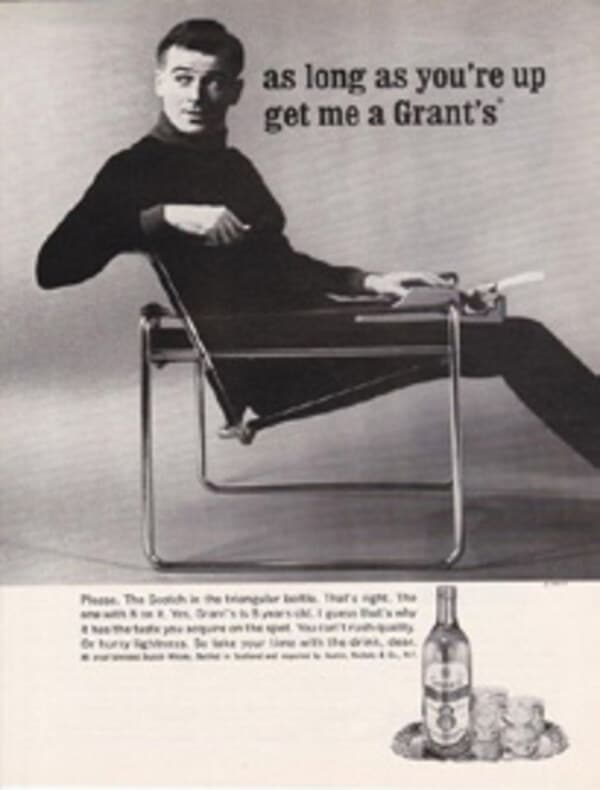
1960s
Grant's Whisky · As long as you're up
Casual encouragement of alcohol with no health framing.
Built into the game
Two squares on the board trigger challenge cards showing consumer-goods-style ads, the kind your marketing team writes before learning healthcare compliance rules. You identify what fails, which regulation it breaches, and why the claim cannot exist without clinical substantiation. The same pattern that sells deodorant gets your medical device submission rejected.
Full 100-square game mat
The 100-square team edition
The full 100-square board runs teams of 4 to 12 through the complete compliant campaign process in a facilitated half-day. It shows you where your launch discipline breaks, and your team keeps the board afterwards.
Each snake triggers a real discussion: where did this go wrong, and who owns the fix? Each ladder rewards teams that have done the foundational work.
Delivered as a facilitated half-day session (£850), and included in every full training day. Pairs directly with the Compliant Creativity and Playbook Creation workshops: run the game first, identify the gaps, then fix them in the room.
Find the right NHS accounts, assess your readiness, explore campaign decisions or read the thinking behind our work.
See which NHS trusts fit your product, using their stated priorities and the evidence behind each match.
Explore NHS Trust Intelligence
Diagnose a product launch and get three tests to run, or score your marketing department and get 30-day actions. The emailed report is optional.
Find your marketing gaps
Work through the decisions behind a compliant healthcare campaign. See where your approach moves forward or gets stuck.
Play the game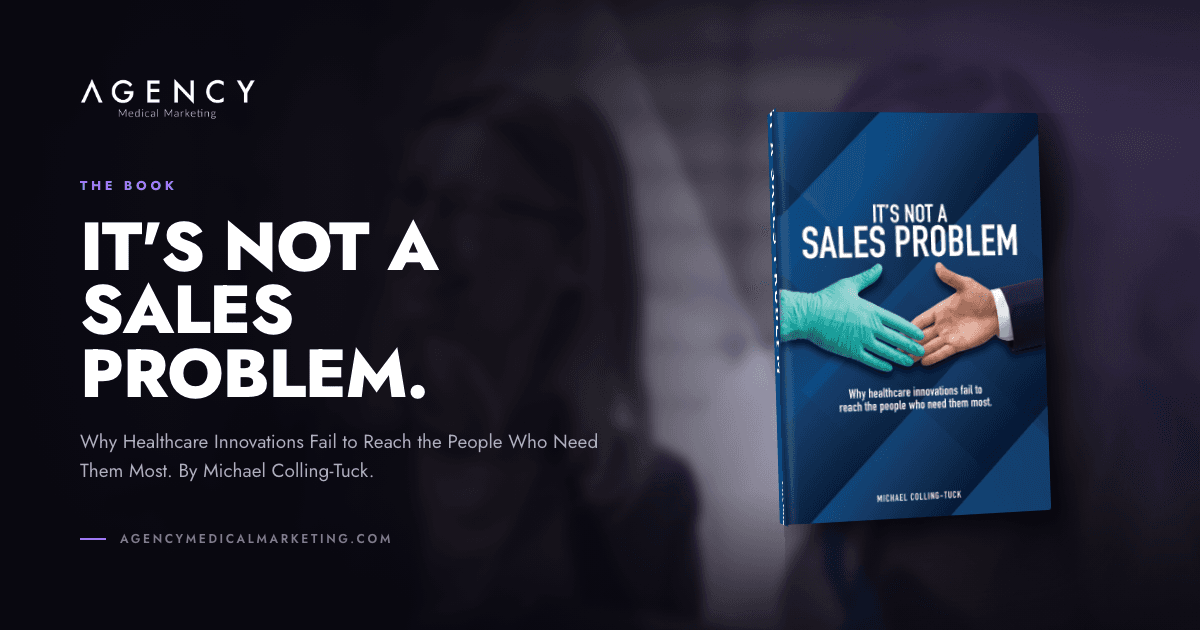
Explore why good healthcare products struggle to reach the people who need them, and how to build demand. Read three free chapters.
Read three free chapters